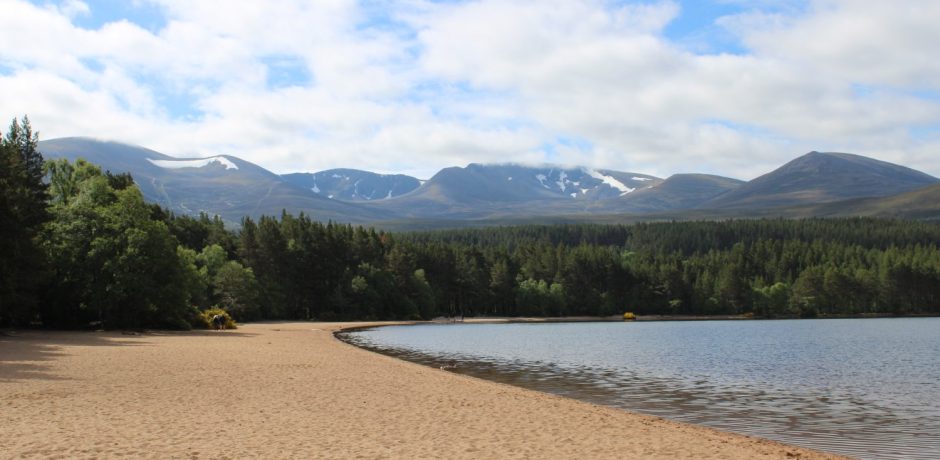
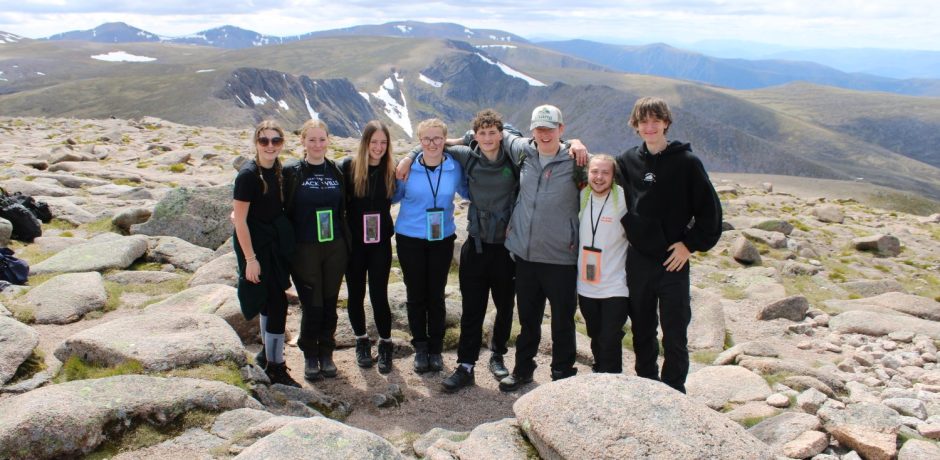
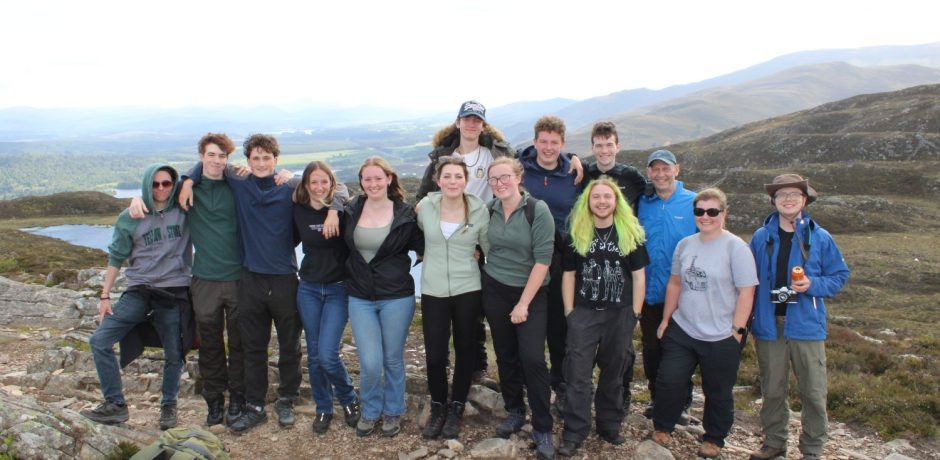
Students at Sparsholt, including those who are studying Conservation, Countryside and the Environment, learning goes beyond the classroom. A recent study tour visit to the Cairngorms National Park provided students with the opportunity to experience one of the UK’s most important and diverse landscapes first hand. From ancient Caledonian pine forests and upland mountain habitats to rivers, wetlands and coastal ecosystems, the trip brought countryside management and conservation principles to life in a real-world setting.
Countryside Management in Practice
Throughout the week, students explored a variety of habitats and conservation sites, applying the knowledge and practical skills developed during their studies.
The Cairngorms offer a unique environment for understanding how landscapes are managed for wildlife, recreation, forestry and conservation. Students examined everything from upland ecology and geological processes to habitat restoration and species recovery projects, gaining valuable insight into the complexities of managing the countryside for future generations.
Learning from Conservation Professionals
A key highlight of the trip was the opportunity to meet and learn from professionals working across the conservation sector.
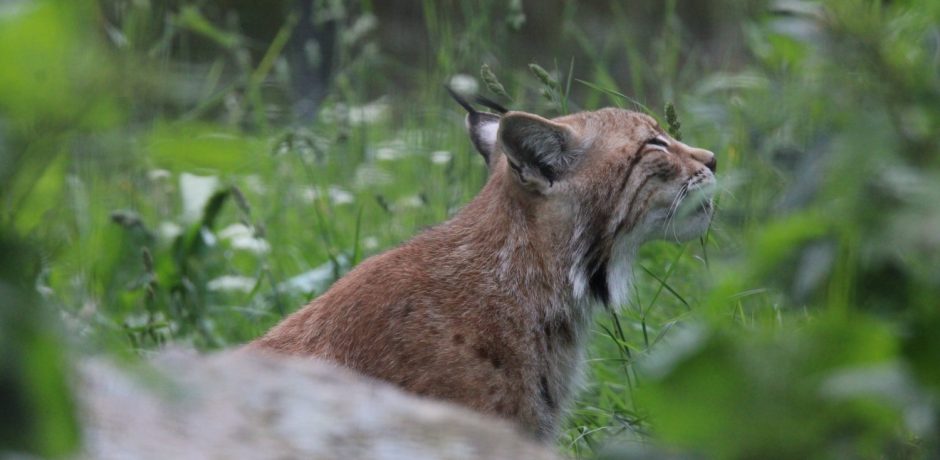
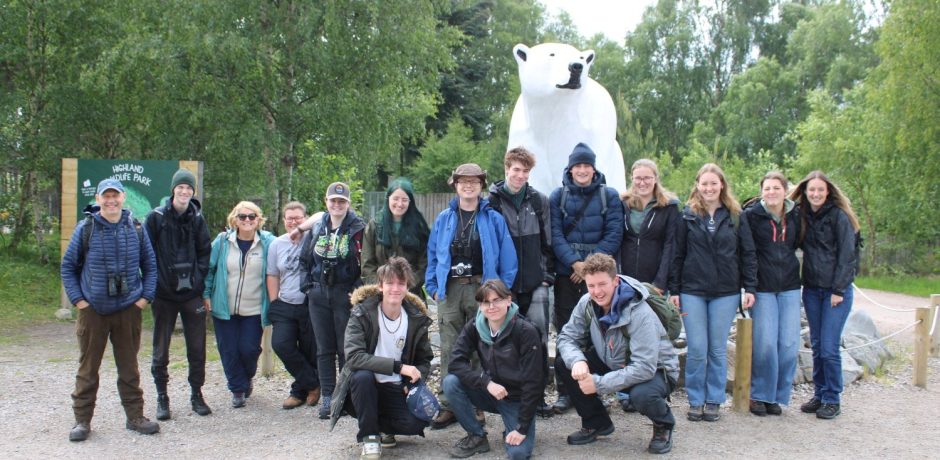
Students visited the Highland Wildlife Park, where they learned about species recovery programmes, including efforts to protect and restore Scotland’s iconic wildcat population. Discussions explored the challenges conservation organisations face when managing threatened species and restoring biodiversity.
The group also visited RSPB Abernethy, where students gained first-hand insight into reserve management and deer management programmes, exploring how habitat restoration and practical countryside management work together to support healthy ecosystems.
Habitat Restoration and Species Recovery
Seeing conservation in action is one of the most valuable learning experiences for aspiring countryside professionals.
During the trip, students observed evidence of species reintroductions, explored river systems shaped by natural processes and witnessed some of Scotland’s most iconic wildlife, including beavers, bottlenose dolphins and ospreys. These experiences helped students understand how land management decisions influence biodiversity, habitats and ecosystems.
Visits to mountain habitats also provided opportunities to study the challenges facing fragile upland environments and the practical realities of managing landscapes that support both wildlife and visitors.
Real-World Conservation Experience
Study tours such as this play an important role in preparing students for careers within the countryside and conservation sector.
By engaging directly with conservation organisations, reserve managers and environmental professionals, students developed their understanding of habitat management, species identification, ecological surveying and sustainable land management. They also gained valuable insight into the diverse career opportunities available within conservation, countryside management and environmental stewardship.
Why Study Countryside and Conservation?
Studying Countryside and Conservation is about understanding how people, wildlife and landscapes interact.
Through practical learning, industry visits and residential field study experiences, students develop the knowledge and skills needed to help protect, manage and enhance the natural environment. Experiences such as the Cairngorms study tour provide a powerful opportunity to see classroom learning applied in some of the UK’s most significant landscapes.