Sparsholt’s Animal Health and Welfare Research Centre (AHWRC) is celebrating the successful hatching of two Vulturine Guineafowl chicks, marking another significant achievement for the College’s bird section.
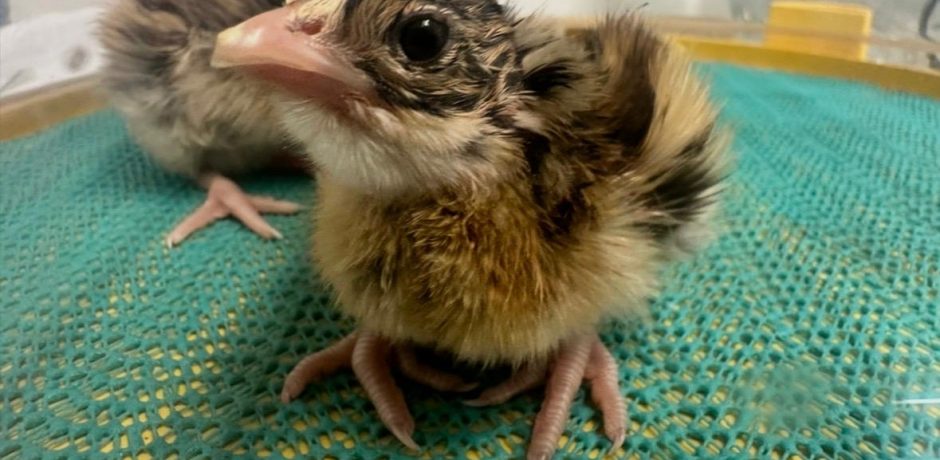
The two chicks hatched in July following a 24-day artificial incubation period and are thriving under the care of the experienced bird team. Both chicks are healthy, active, and already exploring their aviary, where visitors to the AHWRC may spot them enjoying their outside area.
The hatchlings are the offspring of a breeding pair that were introduced only a few months ago, making the success particularly rewarding for the team. This represents the third successful breeding of Vulturine Guineafowl at Sparsholt College, further demonstrating the expertise and dedication of staff in managing and conserving unique avian species.
Vulturine Guineafowl (Acryllium vulturinum) are one of the most striking and unusual members of the guineafowl family and are not widely represented in UK zoological collections. Their successful breeding contributes to the continued development and conservation of the species within managed environments.
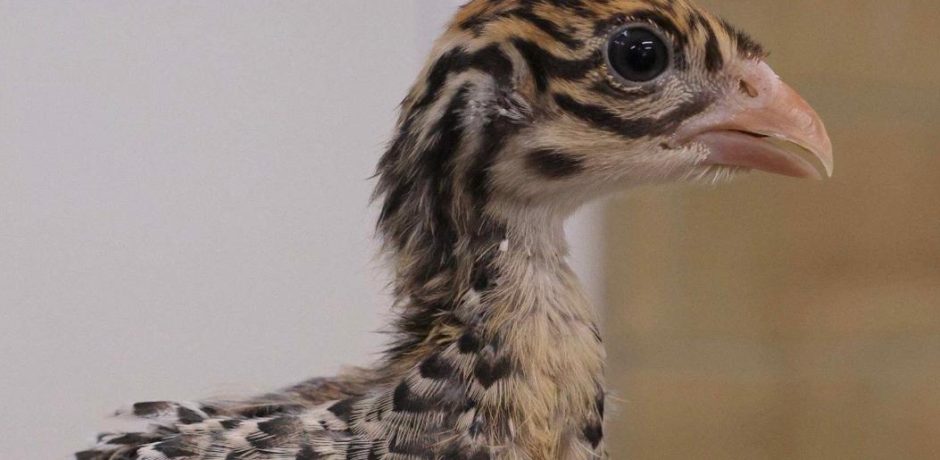
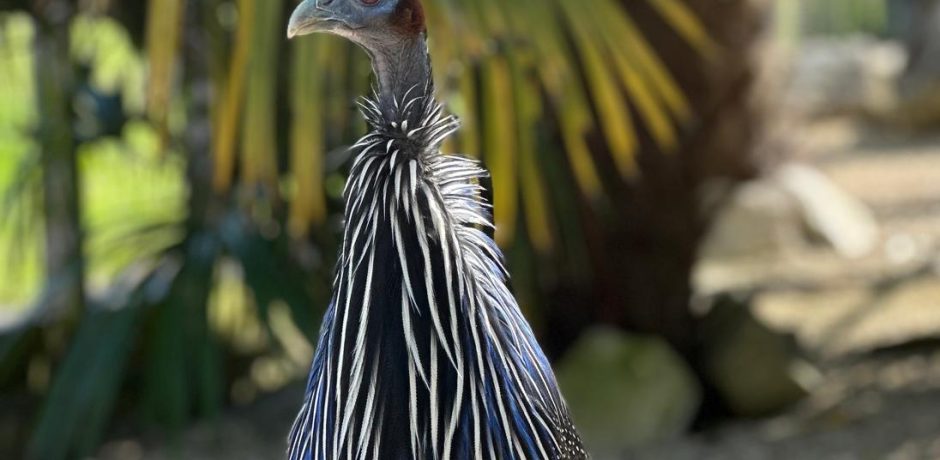
Currently, the chicks display attractive gold and brown striped plumage. As they mature, they will develop the species’ distinctive adult colouring of vibrant cobalt blue, black and white feathers. Adults also lose the downy feathers around their head and neck, creating the characteristic appearance that gives the species its “vulturine” name.
Often referred to as the “Royal Guineafowl” due to their regal and eye-catching appearance, Vulturine Guineafowl are a favourite among bird enthusiasts and visitors alike.
Lucy Anderson, Sparsholt College Group Birdkeeper said:
“We are delighted with the successful hatching of these two Vulturine Guineafowl chicks. Seeing a newly introduced pair breed successfully so quickly is incredibly rewarding and reflects the hard work and commitment of the team. We hope to continue building on this success and look forward to future breeding opportunities with this remarkable species.”
The team will continue to monitor the chicks’ development over the coming months as they grow into their distinctive adult plumage.