RHS Chelsea Flower Show
The Ugly Bug Ball 2025
Sparsholt College, in collaboration with the Royal Entomological Society, is proud to stage ‘The Ugly Bug Ball’ at the 2025 RHS Chelsea Flower Show. The garden has been crafted to showcase the fascinating beauty that lies in the miniature world of insects.
Within the garden, which has been designed and constructed by our students, we explore the multitude of ways that insects support our gardens. We aim to encourage often overlooked but highly beneficial insects into our home gardens and green spaces.
Discover our Horticulture courses with a national reputation for excellence and the incredible industry links that make opportunities like this one possible.
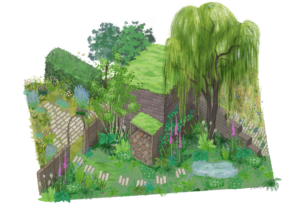
Garden Features
‘The Ugly Bug Ball’ consists of four areas which flow seamlessly together, surrounding a small house crowned with a modern and biodiverse wildflower roof. All the areas are essential in supporting a diverse range of insects.
The design and concept take inspiration from the Royal Entomological Societies book ‘RES Insects: Discover the Science and Secrets Behind the World of Insects’. Written by a team of expert entomologists including University Centre Sparsholt ‘Wildlife Ecology and Conservation’ and ‘Agriculture’ Lecturer, Dr Claire Cresswell – PhD, MSc, BSc (Hons).
-
Night-scented plants such as Nicotiana and Jasminum are an essential for moths. The three different wildflower turf mixes in this area have been selected for shadier locations.
-
The woodland shade garden, including a small wildlife pond is a wonderful habitat for many insects. Old logs and leaf piles are a favourite for springtails, beetles and earwigs.
-
The dry garden features a gabion seat, providing homes for many different species including earwigs and beetles. Drought-resistant plants are great for hot sunny gardens and provide nectar for pollinators as well.
-
Wildflower meadows provide flowers for pollinators such as hoverflies and habitats for many beneficial insects, including ants.
-
Biomass – is organic material from plants and animals. This can be used as a source of energy
Collembola – order of small primitively wingless arthropods
Detritivores – are organisms that feed on detritus or organic waste. They play an important role in the ecosystem by breaking down the dead and decaying animals and recycling nutrients
Ecosystems – all the living things in an area and the way they affect each other and the environment:
Entomology – is the study of insects, including their relationship to humans, the environment, and other organisms
Fungal Pathogens – are fungi that cause disease in humans or other organisms.
Hyphae – any of the filaments that constitute the body (mycelium) of a fungus
Mycorrhiza – are fungi that form a relationship with plant roots and increase their ability to take up nutrients from the soil
2025 Plant of the Year Entries
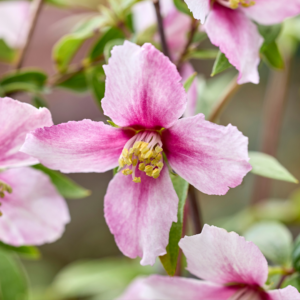
Philadelphus PETITE PERFUME PINK (‘P1’)
Bred by Hillier Propagator Alan Postill as part of a controlled breeding programme, this new variety has a compact, free branching habit, sweetly scented flowers that light up the garden and a unique pink flower colour.
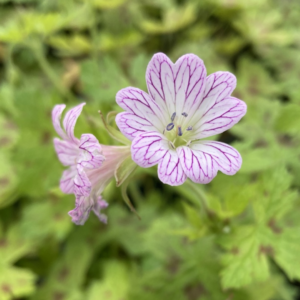
Geranium x oxonianum GOLD NUGGET (‘Hillger’)
With stunning bright patterned foliage sparkling like a gold nugget in the garden, in early summer pink flowers are produced which contrast against the foliage. The plant forms a perfectly symmetrical circular mound in a pot and maintains a very tidy habit throughout the growing season.
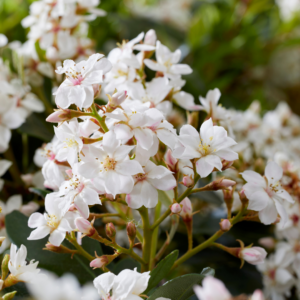
Rhapiolepsis indica ‘White Cloud’
A new hybrid with a unique colour for this spectacular genus, this variety has an almost dwarf habit and huge numbers of fragrant flowers. An excellent low shrub in the front of a border or in a patio container, its thick, deep green foliage is a perfect foil for the pure white flowers.
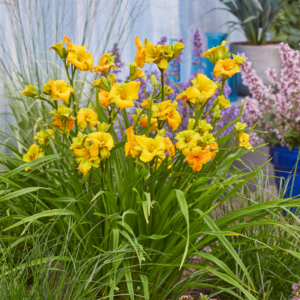
Hemerocallis SEE YOU TOMORROW® (‘Huhe01’)
A day lily with flowers that last up to seven days each. A totally unique flowering habit for the genus leading to longer lasting vibrant floral displays, when flowers on other varieties fade after just one day.
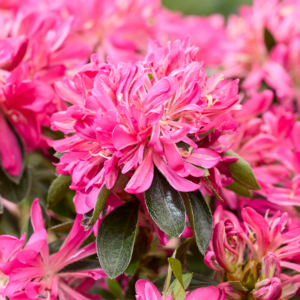
Rhododendron molle supsp. japonicum PINK STAR (‘Mapo 2’)
Pink Star offers a unique combination of traits: broad leaves, heavy blooming performance with thin deep pink petals making up the intense star shaped flowers with an extraordinary 20 to 30 petals. Its striking foliage further enhances its appeal, making it a true standout variety in this popular genus.